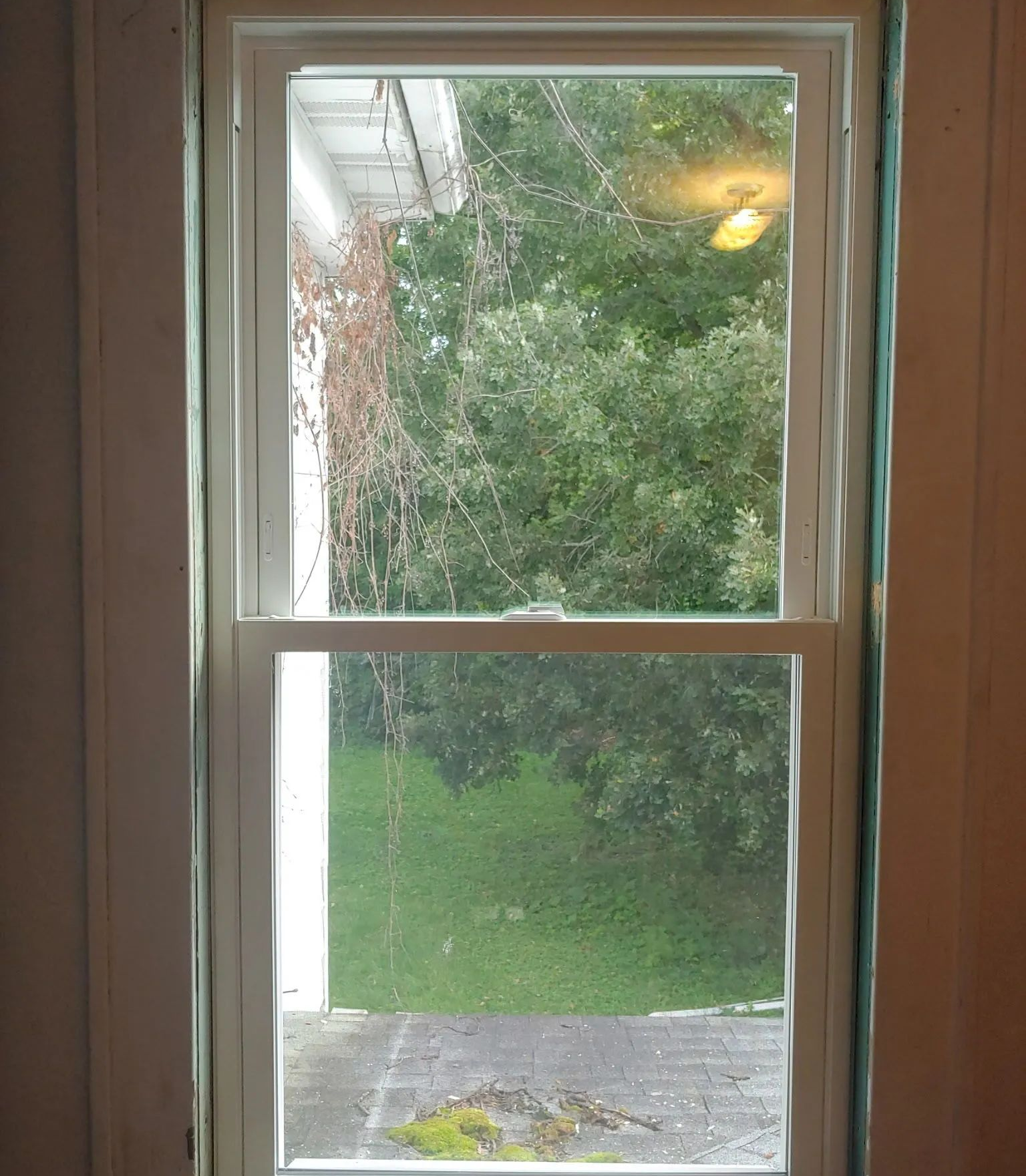
Why Your New Windows Still Feel Cold: The Install Details That Stop Drafts
Quick Answer: New windows that still feel cold almost always have an installation problem, not a glass problem. The usual culprits are an unsealed gap between the frame and the wall, fiberglass stuffed into that gap instead of a real air seal, uneven shims that pull the frame out of square, and flashing or sill details that let wind and moisture in. A cold surface can also create a draft feeling without any air leaking at all. Check the perimeter with your hand or a stick of incense on a windy day, and look at the trim for gaps. If air moves after fresh caulk and weatherstripping, the fix belongs behind the trim, where the window meets the wall.
The new windows went in just before Thanksgiving, and for about two weeks the living room felt better than it had in years. Then the first real cold snap rolled off the St. Lawrence, the thermometer dropped into the single digits, and the old familiar chill came back. You stand at the glass with your palm out, feel a slow ribbon of cold air along the bottom rail, and wonder what you paid for. The windows are brand new. The glass is clear. Nothing is fogged or rattling. So where is that air coming from?
In our experience across the North Country, the answer is rarely the window itself. A modern double pane unit with low emissivity glass is built in a factory under controlled conditions and tested before it ships. What happens after it leaves the factory is a different story. The window gets set into a rough opening that was framed decades ago, out of lumber that has shifted, settled, and swelled through a few thousand freeze thaw cycles. How the installer deals with the gap between that opening and the new frame decides whether the window performs the way it was rated.
This article walks through the installation details that stop drafts, the ones that get skipped when a job is rushed, and how you can tell which problem you actually have before you call anyone back to the house.
First, Is It Really a Draft?
Before blaming the install, rule out the other explanation. Cold glass cools the air touching it. That air gets heavier, sinks, and slides across the floor, and it can feel exactly like a leak even when the window is perfectly sealed. Anyone who has sat beside a large picture window in January has felt it.
Convection Feels Like A Draft
If the cold sensation is strongest near the glass and fades several feet away, with no detectable air movement, you may be feeling temperature differences rather than a leak. Better glass coatings help, but winter nights can still make windows feel cool.
A True Draft Has Direction
Air entering your home moves through a specific path. You may feel pressure against your hand or notice candle flame or incense smoke bending sideways. Drafts often become stronger when wind increases because exterior pressure forces air through gaps.
Wind Is The Best Test
On calm days, small leaks may remain unnoticed. During gusty weather, the same opening can become obvious or even whistle. If your windows feel cold primarily when wind increases, that points toward perimeter leakage rather than cold glass or sash.
Once you know you have real air movement, the next question is where it starts. Almost every time, it starts at the edge of the frame.
The Gap Around the Frame Does Most of the Damage
Every window sits in a rough opening that is slightly larger than the unit. That space, usually somewhere between a quarter inch and an inch or more on each side, has to be filled and sealed. The window is the only air barrier at that opening. A wall has several layers that back each other up. A window has the sealed joint around its edge and little else.
Fiberglass Is Not An Air Seal
Fiberglass insulation can slow heat transfer, but it does not create an air barrier between a window and rough opening. Air can move through the fibers. Stuffing the gap with fiberglass may look finished inside, yet wind can still pass through the unsealed connection around the window frame during cold weather.
The Right Material Stays Flexible
The material sealing a window to its opening must block air while remaining flexible as the wall moves with temperature and humidity. Wood framing can swell during humid summers and shrink during dry winters. A rigid seal may crack as these seasonal movements occur, reopening gaps around the window.
Small Gaps And Large Gaps Need Different Answers
Narrow gaps can be filled with low expansion window foam, applied slowly through a narrow nozzle. Wider gaps may need closed cell foam backer rod first, followed by foam or caulk. Using caulk alone across a wide opening leaves unsupported material that can crack when the wall moves.
Regular Foam Can Bend The Frame
Standard expanding foam can exert enough pressure during curing to bow a vinyl window frame inward. A distorted frame may prevent the sash from closing tightly against its seals. Window specific low expansion foam reduces this risk, making proper application important for maintaining both frame alignment and airtightness.
Tip: Look at the trim on a windy day with a stick of incense in hand. Hold it an inch from the joint between the casing and the wall, then along the bottom corners. If the smoke bends toward the room or gets pulled sideways at any spot, you have found a perimeter leak. Mark that spot with a small piece of painter's tape so the installer can go straight to it when they take the trim off.
Where the Seal Sits Matters as Much as the Seal Itself
Here is a detail that separates careful work from average work. The air seal around a window belongs toward the interior edge of the frame, not out by the siding. That placement is deliberate.
It Keeps The Drainage Path Open
Windows can admit small amounts of water through joints or around frames during driving rain and melting snow. A properly built opening directs that water toward sill flashing and outside. Sealing the exterior edge completely can trap moisture inside the wall assembly.
It Keeps The Outer Gap Pressure Equalized
Positioning the seal toward the interior allows the exterior portion of the opening to remain pressure equalized with outdoor air. This reduces the force driving water into joints. The interior seal also blocks conditioned air from escaping through the opening.
Exterior Caulk Does A Different Job
Exterior caulk seals the joint between the window frame and siding, helping shed water and block wind. It should not serve as the only air barrier. When exterior caulk dries, cracks, or separates, drafts can develop around the window opening.
When the job is done correctly, you will not see most of this. It is behind the casing. That is exactly why drafts from a poorly sealed opening surprise people, and why an installer's process matters more than the brochure.
Shimming, Squaring, and Why the Sash Has to Close Tight
A window frame has to sit plumb, level, and square in its opening. The shims that hold it there look like a minor detail, and they are not.
Uneven Shimming Twists The Frame
Uneven shims can rack a window frame slightly out of square. Even a small twist changes how the sash meets the frame, preventing weatherstripping from compressing evenly. This can create a narrow gap along one side, allowing air infiltration.
Fasteners Can Pinch The Unit
Driving a screw through the frame without supporting it with a shim can pull the jamb inward. This creates a pinch point where the sash may stick. The distorted area can also prevent seals from contacting properly, creating leakage around the frame.
Old Openings Are Rarely Square
Older homes often have rough openings affected by settling, sagging sills, or decades of structural movement. Installers must assess the opening, adjust shims carefully, and fill resulting gaps around the entire frame instead of simply forcing the window into place.
Test The Operation
Open and close each sash after installation. It should move smoothly, lock securely, and compress the weatherstripping with light, consistent pressure. A stiff corner or difficult lock can indicate that the frame is not properly aligned within the opening.
Weatherstripping on a brand new unit should not be failing. The National Fenestration Rating Council's consumer guide notes that weatherstripping works best when it compresses as the sash closes, and that caulk and weatherstripping reduce leakage but do not add insulation. On a new window, a leak at the sash is more often a frame that is out of square than a gasket that has gone bad.
Flashing and Sill Details That Look Like Drafts
Not every cold, damp feeling near a window is air. Sometimes the draft you feel is moisture working its way in, and the sill is where it usually starts.
The Sill Pan Is The First Line Of Defense
A properly flashed window opening uses a sill pan or sloped sill flashing to direct water outside. Side and head flashing shed rain around the frame and over the pan. Without these layers, water can enter the wall.
Cold, Damp Air Feels Like A Draft
A damp wall cavity near a window can make a room feel cold, much like air leakage. Musty odors, peeling casing paint, stains near lower corners, or soft trim can indicate moisture problems that deserve investigation.
Ice Makes A Small Problem Bigger
Water entering a window joint can freeze and expand during repeated temperature changes. That expansion gradually widens small openings and damages seals. A tiny leak during autumn can become a significantly larger separation after repeated freeze-thaw cycles.
Warning: If the wood at the bottom of the window feels soft, the paint is bubbling, or you see staining on the wall below the sill, stop treating it as a draft. Water is getting in behind the trim. Left through another round of freezing and thawing, that moisture can reach the framing and insulation, and the repair grows well beyond the window.
What Winter Does to a Fresh Installation
Timing and temperature play a bigger role than most homeowners expect, especially in a region where the ground freezes deep and the cold stays for months.
Sealants Have Working Temperatures
Sealants need suitable temperatures to cure and bond properly. Cold-weather installation requires products rated for current conditions. Surfaces must also remain clean and dry, because a sealant applied on a cold, damp morning may fail despite appearing finished.
Materials Move
Vinyl, aluminum, wood, and foam expand and contract at different rates. A tight joint during mild weather can open slightly during extreme cold. Flexible sealants and properly shaped joints accommodate movement better than caulk stretched across deep gaps.
A House Settles Around New Windows
After installation, framing, window components, and interior trim adjust during the first heating season. Small trim gaps may appear and remain cosmetic. However, persistent or growing gaps can indicate that sealing or installation work needs closer inspection.
Heating Makes Leaks Louder
Warm indoor air rises and escapes through upper gaps, while replacement air enters lower areas. This pressure movement can make a draft feel strongest around the sill or floor, even when the actual opening sits higher around the window.
How to Work Out What You Have
You do not need special equipment to narrow this down. A careful walk around each window on a windy evening gives you most of the information an installer needs.
Check Each Window The Same Way
Run your palm slowly around the top, sides, and bottom, about an inch from the frame. Check where the sashes meet and record leakage locations. Patterns across several windows can reveal installation issues rather than individual window defects.
Look At The Trim And Caulk
Inspect casing joints, exterior caulk, and surrounding trim for movement or separation. Gaps between casing and walls may indicate missing seals or shifting materials. Take clear photos in good lighting to document conditions and compare changes over time.
Compare To The Ones That Work
If one window remains comfortable while an identical neighboring window leaks, the difference may come from installation rather than the window itself. Comparing both units can help identify differences in shimming, sealing, alignment, or surrounding materials.
Ask What Is Behind The Trim
A professional should be willing to inspect behind the casing and explain the sealing method. Properly installed foam or sealant over backer rod provides an effective connection. Loose fiberglass, exposed shims, or empty spaces indicate potential problems.
Fix The Cause, Not The Symptom
Weatherstripping and surface caulk may temporarily reduce drafts, but they cannot replace a missing perimeter air seal. If the repair does not address the actual gap around the frame, the problem can return when wind pressure increases.
Not every bouncy deck needs to come down. What it needs is an honest look at the structure and a repair aimed at the real cause instead of the symptom.
It starts with an inspection from below
We probe the wood for soft spots, check every post and footing for movement, and test the ledger and hardware. That tells us whether the boards are the problem or just the messenger for something under them.
Sound structures get reinforced
When the framing is still solid, the fix is often new or deepened footings set below the frost line, added posts or beams to stiffen the span, fresh connectors where the old ones have loosened, and a re-secured, properly flashed ledger. Done right, the bounce goes away and the deck stands firm again.
Failed structures get rebuilt correctly
If frost and rot have gone too far, rebuilding on footings set well below the frost line, sized for the load and the soil, is what keeps the next deck from repeating the same story. Getting the depth right the first time is the whole game in this climate.
What a Proper Fix Looks Like Underneath
Frequently Asked Questions
Are drafts normal with brand new windows?
No. A new window should not leak air. Some coolness near the glass is normal on a very cold night, but moving air at the frame points to how the window was set and sealed.
Why do my new windows feel colder when the wind blows?
Wind raises the pressure difference across every gap in the wall. A nearly invisible gap around the frame becomes an active leak in gusts, and it is usually worse on the windward sides of the house.
Can I fix a drafty new window myself with caulk?
Caulk around the interior trim can ease a small leak for a cold week. It cannot replace the air seal behind the trim, so a real fix means opening the trim and sealing the gap properly.
Does the type of window frame change how drafty it feels?
Frame material affects how cold the surface feels, but it rarely explains a true draft. Vinyl and fiberglass both perform well when installed correctly, so if air is moving, look at the installation first.
Could moisture be the real problem and not air?
It can be. Staining, swollen trim, or peeling paint near a window may mean water is getting past the flashing. A gap that lets in drafts can let in melting snow too, so have it checked.
Should I call the installer back or wait until spring?
Call early. Winter makes leaks easy to find because the temperature difference exposes them, and waiting adds heating loss and freeze thaw stress. A seal problem is better fixed before the wall gets wet.
A Properly Sealed Window Disappears Into the Wall
When a window is installed the way it should be, you stop noticing it. The sash closes with a soft, even resistance, the glass is cool but the air around it stays still, and the frame sits square in its opening. Behind the trim, the gap is sealed with the right material at the right depth, and the flashing sends water out and away. On the worst night of winter, with snow ticking against the glass, the room simply holds its temperature.
For more than 20
years, T&B Next Level Construction LLC
has worked on homes in Massena, NY, and the lesson keeps repeating itself. The glass usually does its job, and the answer sits in the details nobody sees once the casing goes back on. A careful look behind the trim will tell you what happened. From there, the fix is a matter of sealing that gap properly so the window can perform the way it was built to.
Recent Posts